The extra days are not dead stock. Dead stock is visible, and most teams clear it. This is different. It is a few extra days of cover spread thin across many SKUs, categories and locations. On any single line it looks reasonable. Added across the range, it is a large amount of working capital sitting on the shelf.
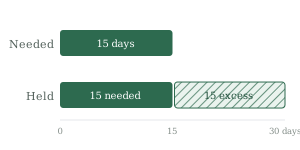
That spread is what makes it easy to miss. A figure that looks fine per category, and fine per location, can still sit well above the right level once each item is compared to how fast it actually sells.
The right level is not one number. It comes from each item's own demand: how quickly it moves, how variable that demand is, and how often it is reordered. Measure that, and the gap between what is needed and what is held becomes specific and visible.
The useful question is not whether thirty days feels normal. It is whether thirty is still right for this item, in this location, given how it sells today.